Dental BondingIn San Juan Capistrano, CA
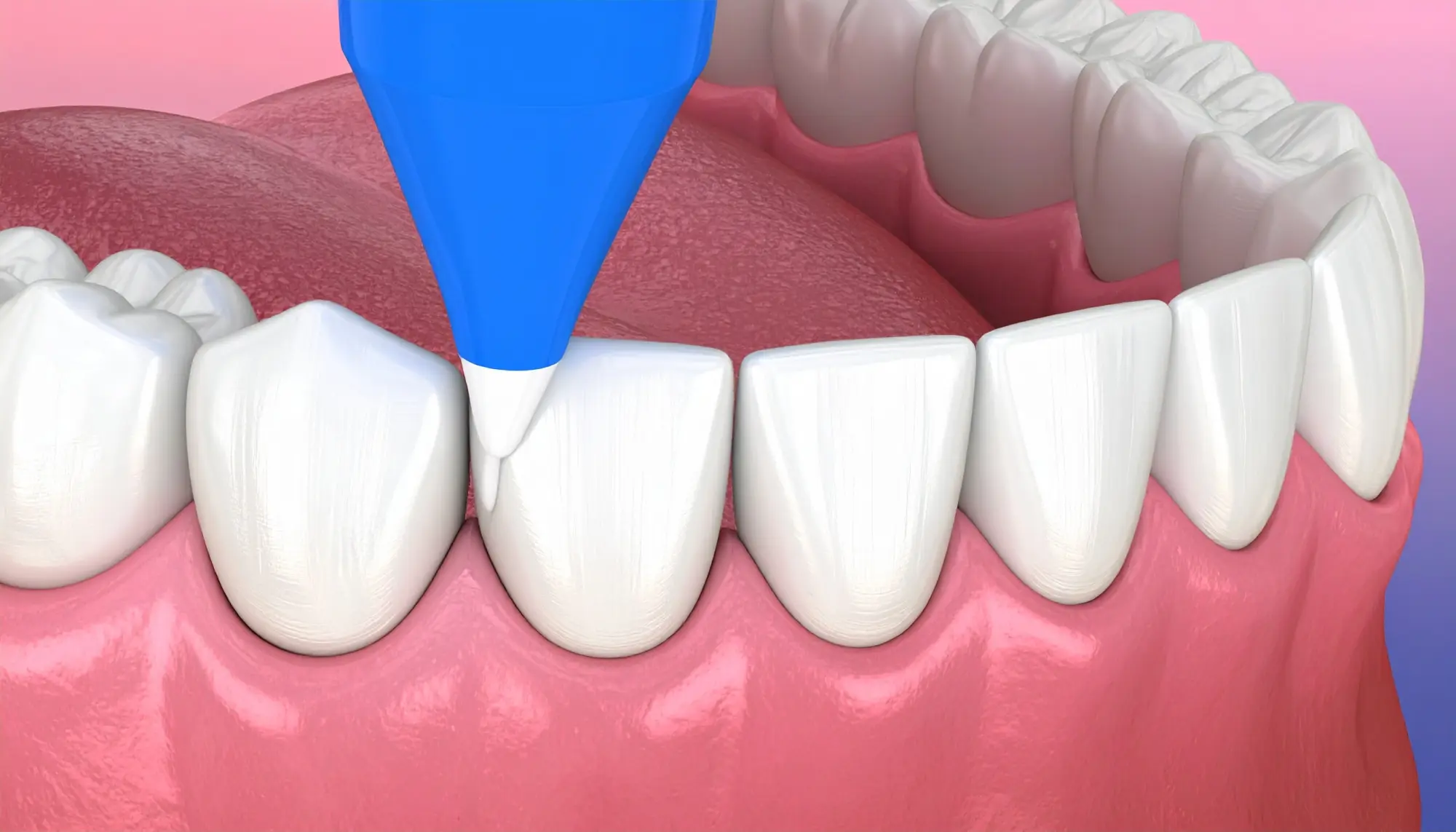
Dental bonding uses a tooth-colored resin to repair teeth that are chipped, cracked, or discolored. The material is shaped right on the tooth and hardened, so it blends with your smile. For many patients, it's a straightforward way to restore both the look and the feel of a tooth at our San Juan Capistrano family dental office.
Why should I choose dental bonding?
Bonding is often a good fit when the damage is minor, such as a small chip, a hairline crack, or a spot that doesn't match the rest of your smile. Chipped tooth repair and cracked tooth repair are common uses, and cosmetic bonding can also soften small gaps or uneven edges. The resin is applied in layers, sculpted to match your tooth's natural shape, and hardened with a special light.


Tooth-Colored Resin for Natural-Looking Repairs
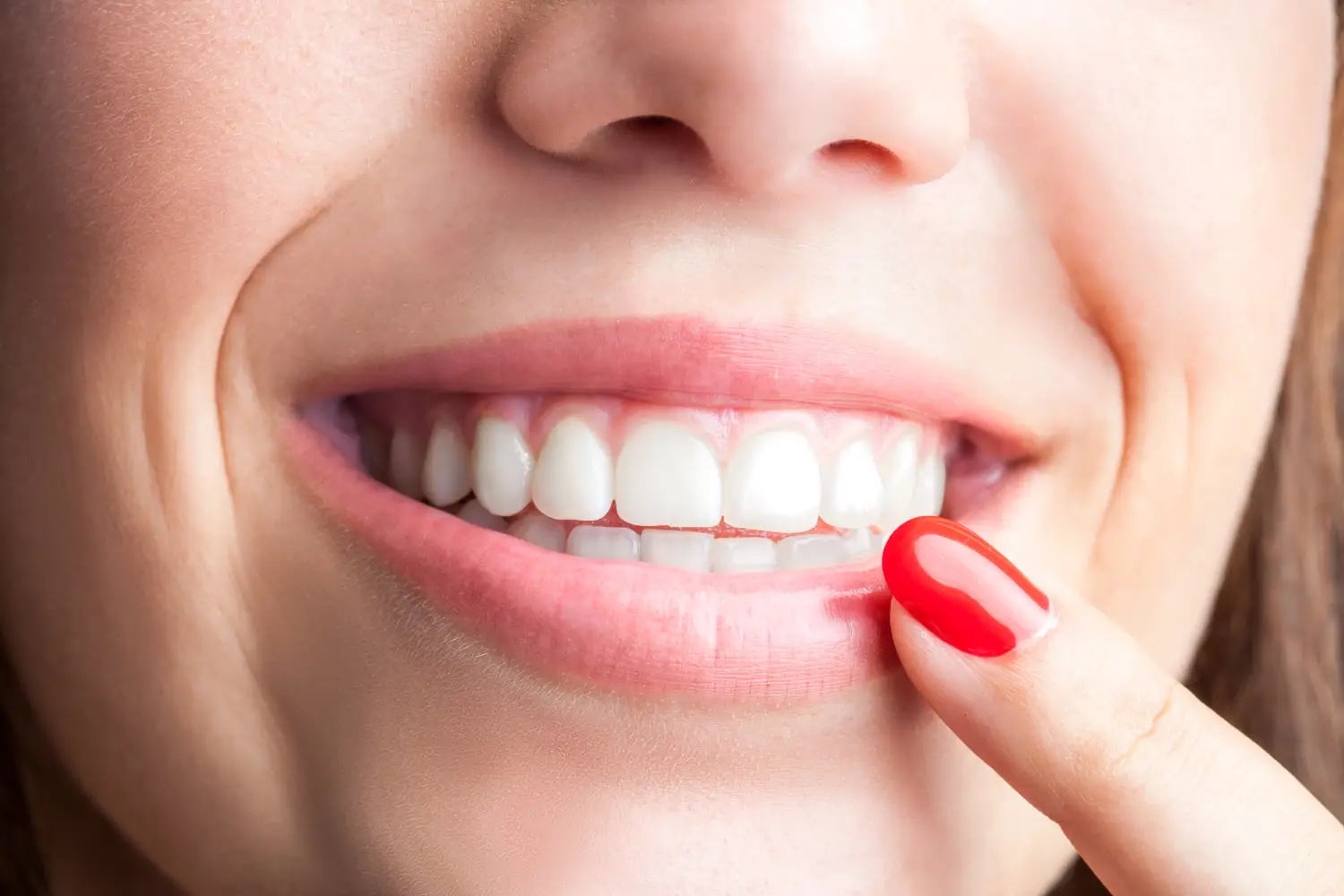
Our bonding uses tooth-colored resin that your dentist shapes and polishes to blend with your smile. If a chipped tooth happens during a soccer game or a bite of something crunchy, this approach can restore the tooth's look and feel.
The Benefits of Dental Bonding
Preserves Your Natural Tooth
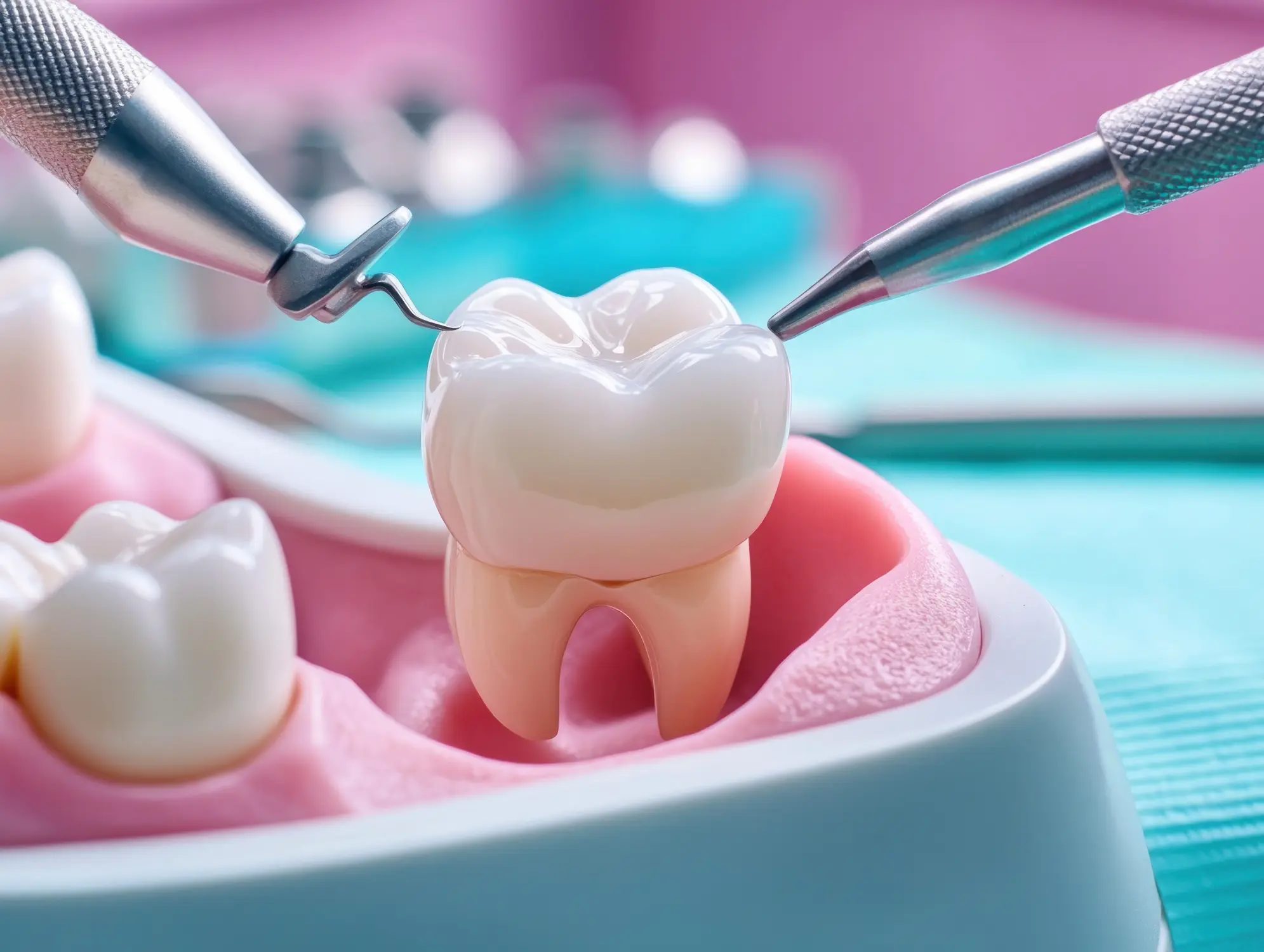
Bonding typically requires little to no removal of healthy tooth structure. That means more of your natural tooth stays intact, which is a meaningful advantage when the damage is small.
Matches Your Natural Smile
The resin comes in a range of shades, so your dentist can select one that blends with neighboring teeth. Once it's shaped and polished, the repair can look natural.
Quick and Convenient
Bonding is a fairly quick way to fix minor flaws. Many patients find tooth bonding more budget-friendly than some other cosmetic options, depending on the case.
Our Difference
The Dental Bonding Treatment Process
Preparing The Tooth
Your dentist begins by examining the tooth and choosing a resin shade that matches your smile. Your dentist will let you know if anesthesia is recommended. The surface is then lightly roughened and conditioned with a gentle liquid, which helps the resin hold firmly to the tooth.
Applying & Shaping The Resin
Next, the soft, putty-like resin is applied to the tooth and molded into the right shape. Your dentist sculpts it carefully to restore the edge, fill in the crack, or cover the discolored area. A curing light then hardens the material, which usually takes only moments for each layer.
Final Polish & Finish
Once the resin has hardened, your dentist trims and refines it so it feels natural when you bite down. The tooth is then polished until it has the same smooth shine as the teeth around it. Before you leave, we'll check your bite and share simple tips for caring for the repair.
FAQs
Frequently Asked Questions
Check out these frequently asked questions, or call us to speak with our team.
Dental bonding can address a number of minor concerns. It's commonly used to repair a chipped tooth, small cracks, and worn edges. It can also cover stains that don't respond well to whitening, close small gaps between teeth, or reshape a tooth that looks slightly shorter or uneven than its neighbors.Bonding works best for smaller, cosmetic-level issues. Larger fractures, deep decay, or extensive damage may need a crown or another restoration, and your dentist can help you decide what makes sense after an exam.
If you've noticed a chip, a rough edge, a small crack, or a stubborn stain, it's worth having it checked. Even minor damage can sometimes catch your tongue or make a tooth sensitive. A quick exam can confirm whether bonding is a good fit or whether another approach would serve you better.
Bonding often lasts several years, though the exact timeline depends on the size and location of the repair and your daily habits. Teeth that handle heavy biting forces may wear the resin faster. With good care and regular checkups, many patients get years of use from a bonded tooth.
Brush twice a day, floss daily, and keep up with regular dental visits. Try not to bite your nails, chew on ice or pens, or open packaging with your teeth, since resin can chip. Let us know if the tooth feels rough or uneven.
Coverage varies by plan. Bonding done to repair a damaged tooth may be treated differently than bonding done purely for cosmetic reasons, so it helps to check your benefits. Our team can review your coverage with you before treatment so you know what to expect.